

At this very moment your physical being is performing an amazing feat, monitoring everything within our purview – externally and responding accordingly both internally as well as externally. Our body has an array of complex yet simple self-regulating systems. Our internal system communicates by sending messengers called neurotransmitters. For example, when the brain detects something exciting or rewarding, neurons release dopamine, increasing motivation and focus. When the brain senses threat or stress, neurons trigger the release of cortisol and adrenaline, preparing the body to react quickly. These systems very often act beneath the level of active consciousness. We may not know they’re happening.
Every moment of everyday, our brains and bodies are bathing in a constantly changing neural-chemical soup. This “soup” is made up of chemicals such as dopamine, cortisol, serotonin, adrenaline, and oxytocin. Together, they shape how we think, feel, and behave. Importantly, this soup is not random—it is created by the way our neurons fire and by how our bodies respond to the world around us.
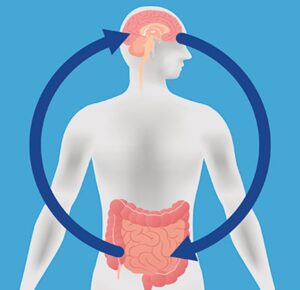
The processes flow both ways. Our physical actions/behaviours also feed back into the brain, changing the chemical mix. A tense posture, shallow breathing, or clenched jaw can reinforce stress chemistry (cortisol, adrenaline, etc.). In contrast, slow breathing, movement, laughter, or social connection can shift the balance toward calming and connecting chemicals like serotonin and oxytocin.
On a sort of a biochemical roller-coaster-like ride, thoughts and perceptions activate neural circuits. Those circuits release chemicals. Those chemicals influence our body and behaviour. Then, our behaviour, in turn, sends new signals back to the brain. Over time, repeated patterns may become habitual.
 They key to our understanding all of this may be in our mindfulness. While we don’t need to be neuroscientists, paying attention to how and what we are truly feeling can help us apply the artistry in navigating our daily lives, with an awareness of the science that we now know is at work behind the scenes. We gain insight into how to support healthier regulation, and more adaptive behaviours.
In short, the “soup” in which our brains swim matters—and we have more influence over its ingredients than we may realize.








Leave A Comment